Unlocking Healing: The Power of Tarot Reading

Tarot reading is often seen as a mystical practice shrouded in mystery and intrigue. Many people view it as a tool for divination, but its potential extends far beyond mere fortune-telling. In fact, tarot can serve as a powerful means of self-reflection and healing. This blog post will explore how tarot reading can unlock healing in your life, offering insights into its history, methodology, and practical applications.
The History of Tarot
Understanding the roots of tarot can deepen your appreciation for its power. Tarot cards originated in the 15th century in Europe, initially used for playing games. It wasn't until the 18th century that tarot began to be associated with mysticism and the occult.
The tarot deck consists of 78 cards, divided into two main sections: the Major Arcana and the Minor Arcana. The Major Arcana features 22 cards that represent significant life events and spiritual lessons, while the Minor Arcana consists of 56 cards that reflect everyday experiences and challenges.
How Tarot Works
At its core, tarot reading is about interpretation. Each card carries its own symbolism and meaning, which can vary depending on the context of the reading. A tarot reader uses their intuition, knowledge of the cards, and the energy of the person receiving the reading to provide insights.
The Tarot Spread
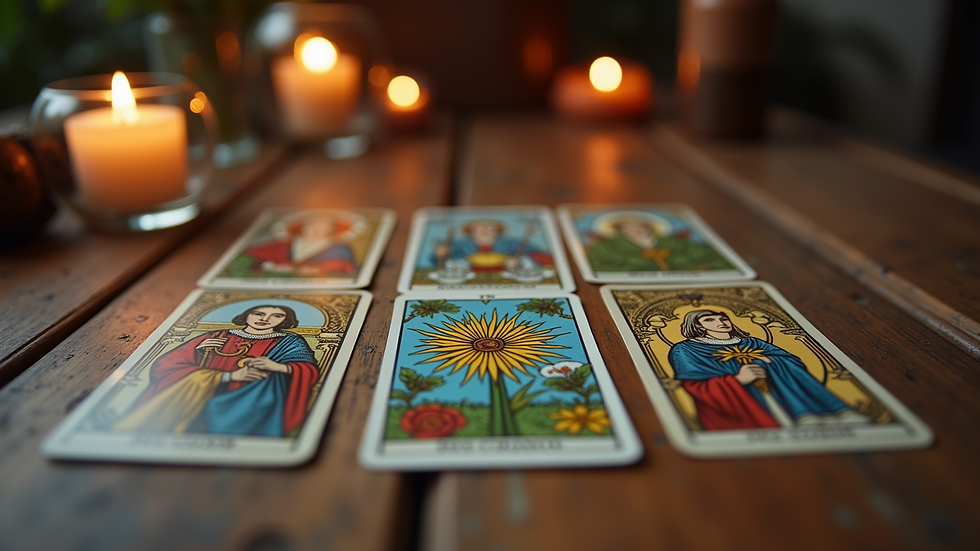
A tarot spread is the layout of cards during a reading. Different spreads serve different purposes. Here are a few common ones:
Three-Card Spread: This simple layout can represent the past, present, and future or explore a specific question.
Celtic Cross Spread: A more complex spread that provides a comprehensive view of a situation, including challenges and potential outcomes.
Relationship Spread: This spread focuses on the dynamics between two individuals, offering insights into their connection.
The Healing Power of Tarot
Self-Reflection and Awareness
One of the most significant benefits of tarot reading is its ability to promote self-reflection. By examining the cards and their meanings, individuals can gain insights into their thoughts, feelings, and behaviors. This process can lead to increased self-awareness and a better understanding of personal challenges.
For example, if someone draws the Tower card, which symbolizes upheaval and change, it may prompt them to reflect on areas of their life that feel unstable. This awareness can be the first step toward healing.
Emotional Release
Tarot can also facilitate emotional release. Many people find that discussing their readings allows them to express feelings they may have been suppressing. This cathartic process can lead to a sense of relief and clarity.
Consider a person who draws the Five of Cups, which represents loss and grief. By acknowledging these feelings during a reading, they may find it easier to process their emotions and begin to heal.
Guidance and Clarity
Tarot readings can provide guidance during difficult times. When faced with tough decisions or uncertainties, the cards can offer perspectives that may not have been considered. This guidance can empower individuals to take action and make choices aligned with their true selves.
For instance, drawing the Chariot card, which symbolizes determination and willpower, may inspire someone to take control of their situation and move forward with confidence.
Practical Applications of Tarot for Healing
Daily Draws
Incorporating tarot into your daily routine can be a powerful practice. Consider drawing a single card each morning to set your intention for the day. Reflect on its meaning and how it relates to your current circumstances. This practice can help you stay grounded and focused.
Journaling
Combining tarot with journaling can enhance the healing experience. After a reading, take time to write about your thoughts and feelings. This process can help solidify insights gained from the cards and provide a space for further reflection.
Group Readings
Participating in group tarot readings can foster community and connection. Sharing insights with others can deepen your understanding of the cards and provide different perspectives on your situation. This collaborative approach can enhance the healing process.
Overcoming Skepticism
While many people embrace tarot as a tool for healing, others remain skeptical. It's essential to approach tarot with an open mind. Remember that tarot is not about predicting the future but rather about exploring possibilities and gaining insights.
If you're new to tarot, consider starting with a beginner-friendly deck and resources. Many books and online courses can help you understand the meanings of the cards and how to conduct readings.
Conclusion
Tarot reading is a powerful tool for unlocking healing in your life. By promoting self-reflection, facilitating emotional release, and providing guidance, tarot can help you navigate life's challenges with clarity and confidence. Whether you choose to explore tarot on your own or seek the assistance of a professional reader, the insights gained can lead to profound personal growth.
As you embark on your tarot journey, remember to approach it with curiosity and an open heart. The cards may reveal truths that resonate deeply, guiding you toward a more fulfilling and authentic life. Embrace the power of tarot and unlock the healing it can bring.
Comments